Why Brixton
Experience matters when prevention is priority
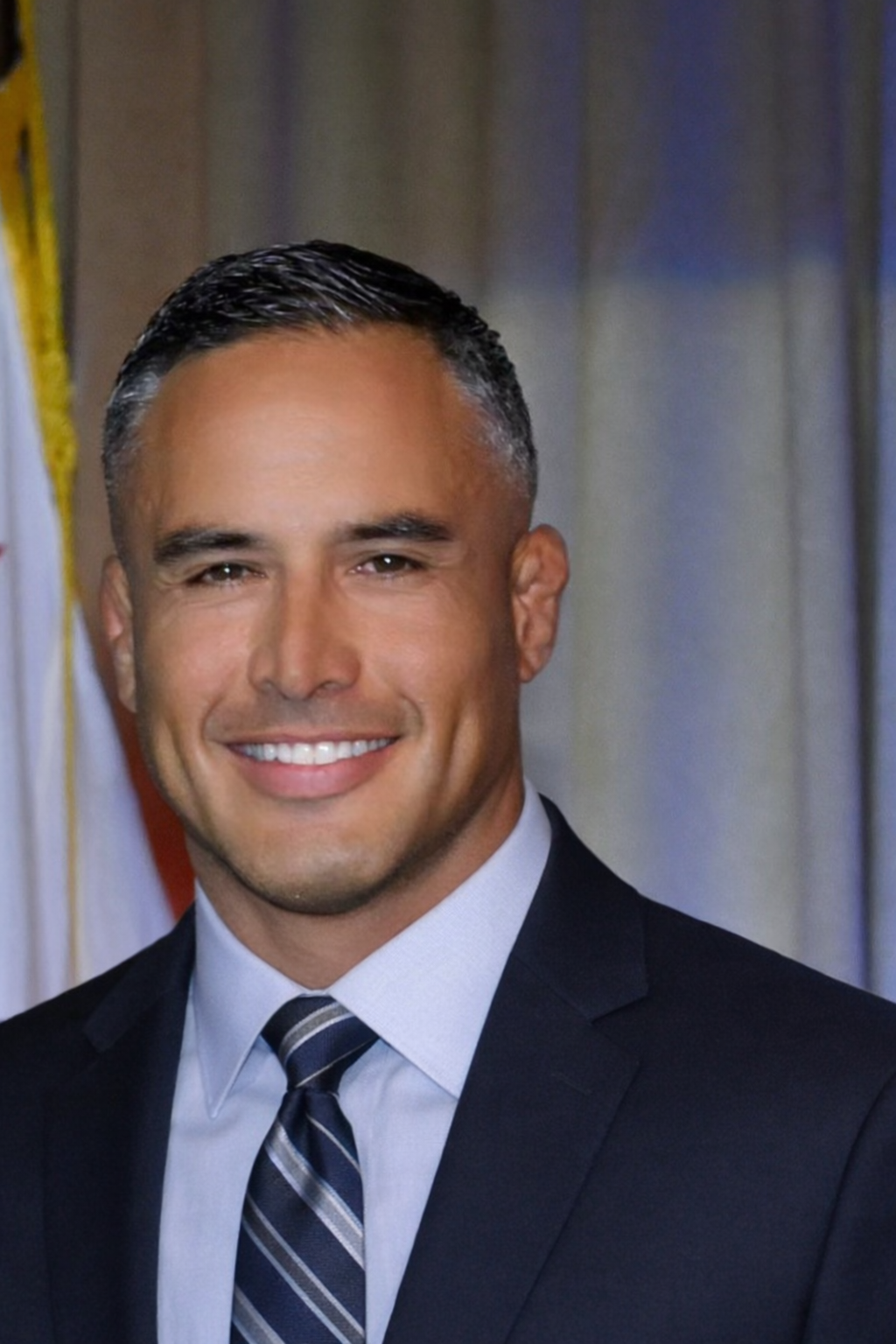
Brixton Security & Consulting is led by Dennis Wardle, a law enforcement professional with over two decades of operational, tactical and investigative experience.
Throughout his career, Dennis has worked in high-pressure environments requiring critical decision-making, behavioral assessment, risk analysis, and coordinated response planning. His background includes service in specialized units, investigative operations, and arrest and control instruction.
In addition to operational field experience, Dennis holds a Bachelor’s degree in Business and brings strategic planning, budgeting awareness, and organizational leadership insight to every engagement.
Brixton was founded on a simple principle: effective security begins long before an incident occurs. Prevention requires clarity, structure, and the ability to recognize patterns others overlook.
Prevention Is Not Theory —It Is Earned Perspective.
What I have observed repeatedly in crisis environments is this: outcomes are rarely controlled. Plans are created with the belief that if we implement Plan A, we will achieve a predictable result. But chaos does not honor expectations.
When crisis hits, it does not unfold like a strategy document. It feels more like a storm — fast, disorienting, and indifferent to our assumptions. In those moments, the only thing that stabilizes leaders and organizations is the preparation and disciplined mindset developed long before the incident occurred.
Desired outcomes are not the objective. Structured preparation is.
Many leaders assume that strong decision making in controlled environments will translate seamlessly into high pressure scenarios. But the ability to navigate a boardroom does not automatically translate to clarity in chaos. Pressure exposes gaps in planning, in communication, and in organizational discipline.
The solution is not to chase a better outcome.
The solution is to build a stronger framework.
Effective prevention is rooted in simple, clearly defined protocols that are practiced consistently — not only during emergencies, but woven into daily operations. It is a culture of disciplined process over hopeful expectation.
When organizations shift from focusing on desired outcomes to focusing on disciplined systems, resilience becomes predictable.
Prevention is not reaction delayed.
It is structure built long before pressure arrives.
Clarity Before Crisis
Leadership carries weight.
In my experience in law enforcement, strong leadership begins with trust — trust within the organization and trust with the community it serves. That trust is built through accountability. Leaders who are willing to adapt, learn, and grow create cultures where others do the same.
Our responsibility as leaders extends beyond vision and inspiration. We are entrusted with the safety and well-being of the people who place their confidence in us. When people feel valued beyond what they contribute — when their lives and well-being are treated as a priority — organizations become stronger, more unified, and more resilient.
Effective prevention is not control. It is about stewardship. It is about building structures that protect people while preserving mission, culture, and trust.
If you are committed to moving from reactive response to disciplined preparation, I welcome the conversation.
Prepared Leadership is a Choice
Leadership clarity is not built in crisis. It is built before it.
If you are ready to strengthen your structure, protect what matters most, and move from reaction to disciplined preparation, I welcome the opportunity to speak with you.